


Outbound prospecting is an essential strategy for many companies seeking to attract new customers and stimulate growth. To optimize prospecting on LinkedIn, it is crucial to equip yourself with the best available tools. Customer management software (CRM) plays a central role in this process, enabling efficient organization, rigorous tracking and in-depth analysis of prospect interactions. In this article, we present the five best CRMs for outbound prospecting, to help you choose the one that best meets your needs and business objectives. This ranking is based on what we have observed among MirrorProfiles clients since 2022, across sectors and countries.
HubSpot
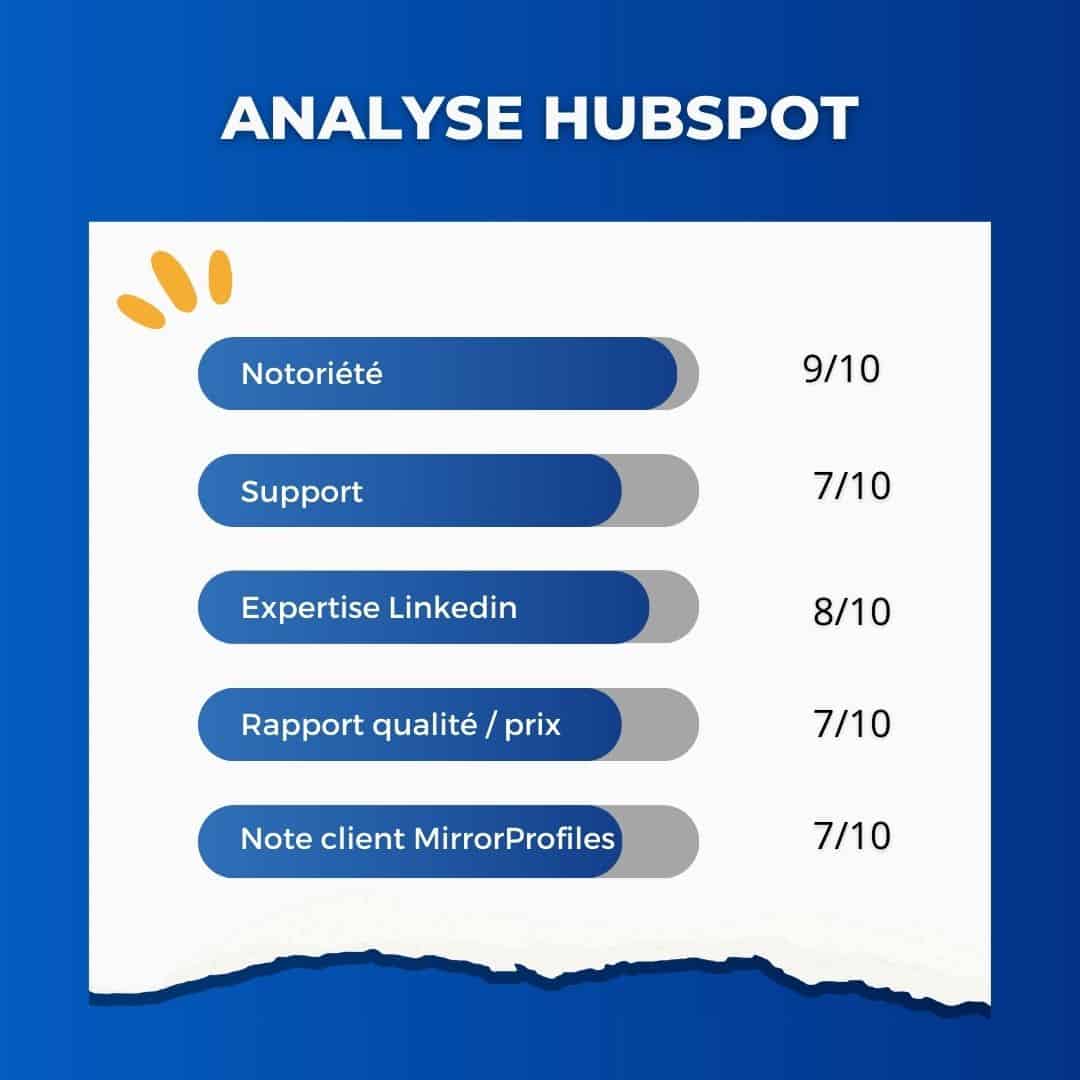
HubSpot is a world-renowned company specializing in marketing, sales and customer service software. Founded in 2006 by Brian Halligan and Dharmesh Shah, HubSpot has changed the way companies attract, engage and close customers with a comprehensive suite of integrated tools. It was designed by growth hackers to bring marketing and sales departments together.
HubSpot’s main features for CRM and outbound prospecting:
- Contact management: HubSpot CRM centralizes all prospect, lead and customer information in one place. You can track interactions, calls, emails and notes, which makes for effective customer relationship management. The only drawback is that if you also include your prospects, your CRM will be overflowing with data, and too many different types of data will make it unusable over time. Many of the teams we talk to make no real distinction between their prospects and their leads.
- Sales automation: With advanced features, HubSpot helps streamline repetitive tasks. You can create automated workflows to send follow-up emails, assign tasks to sales reps and update contact information, saving time and improving productivity.
- Email tracking: HubSpot offers email tracking tools that notify you when your emails are opened or clicked. This lets sales reps know exactly when and how to engage prospects, optimizing prospecting efforts.
- Integrated calling tools: With the integrated calling feature, you can make calls directly from the CRM and record conversations. This enables precise tracking and better analysis of prospect interactions.
HubSpot’s intuitive user interface and powerful integration capabilities make it an ideal choice for companies looking to optimize outbound prospecting and improve sales automation.
Pipedrive
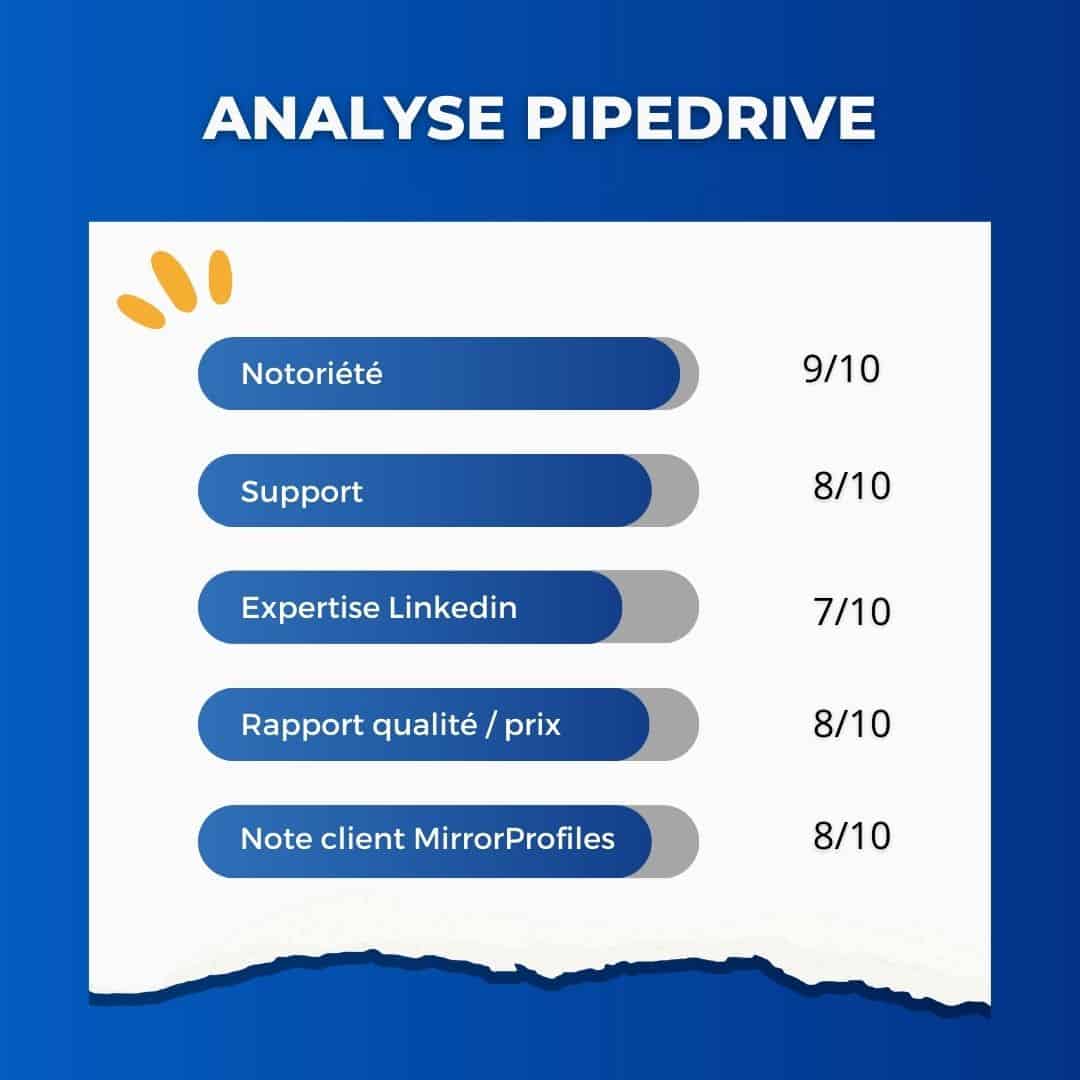
Pipedrive is a sales CRM designed by salespeople for salespeople, founded in 2010 by Timo Rein, Urmas Purde, Ragnar Sass, Martin Henk and Martin Tajur. The company focuses on simplifying the sales process to help sales teams be more efficient and close more deals. In my opinion, it’s the most suitable CRM when you’re just starting out in this world.
Pipedrive’s main features for CRM and outbound prospecting:
- Visual pipeline management: Pipedrive offers an intuitive interface with a visual view of the sales pipeline. Users can easily track deals at every stage, drag and drop opportunities and get a clear view of priorities.
- Task automation: To increase productivity, Pipedrive lets you configure automatic actions when certain conditions are met, such as sending follow-up emails or assigning tasks to different team members.
- Integration tools: Pipedrive integrates seamlessly with many other applications and services, such as Google Apps, Trello and Zapier, making it easy to synchronize data and manage sales processes across various tools.
- Smart Contact Data: With a single click, Pipedrive can automatically populate prospect contact information using publicly available data, saving time and improving the accuracy of recorded information.
Pipedrive stands out for its ease of use and efficiency in managing sales processes. It’s a powerful tool for sales teams looking to optimize their outbound prospecting and increase their conversion rate.
Monday CRM
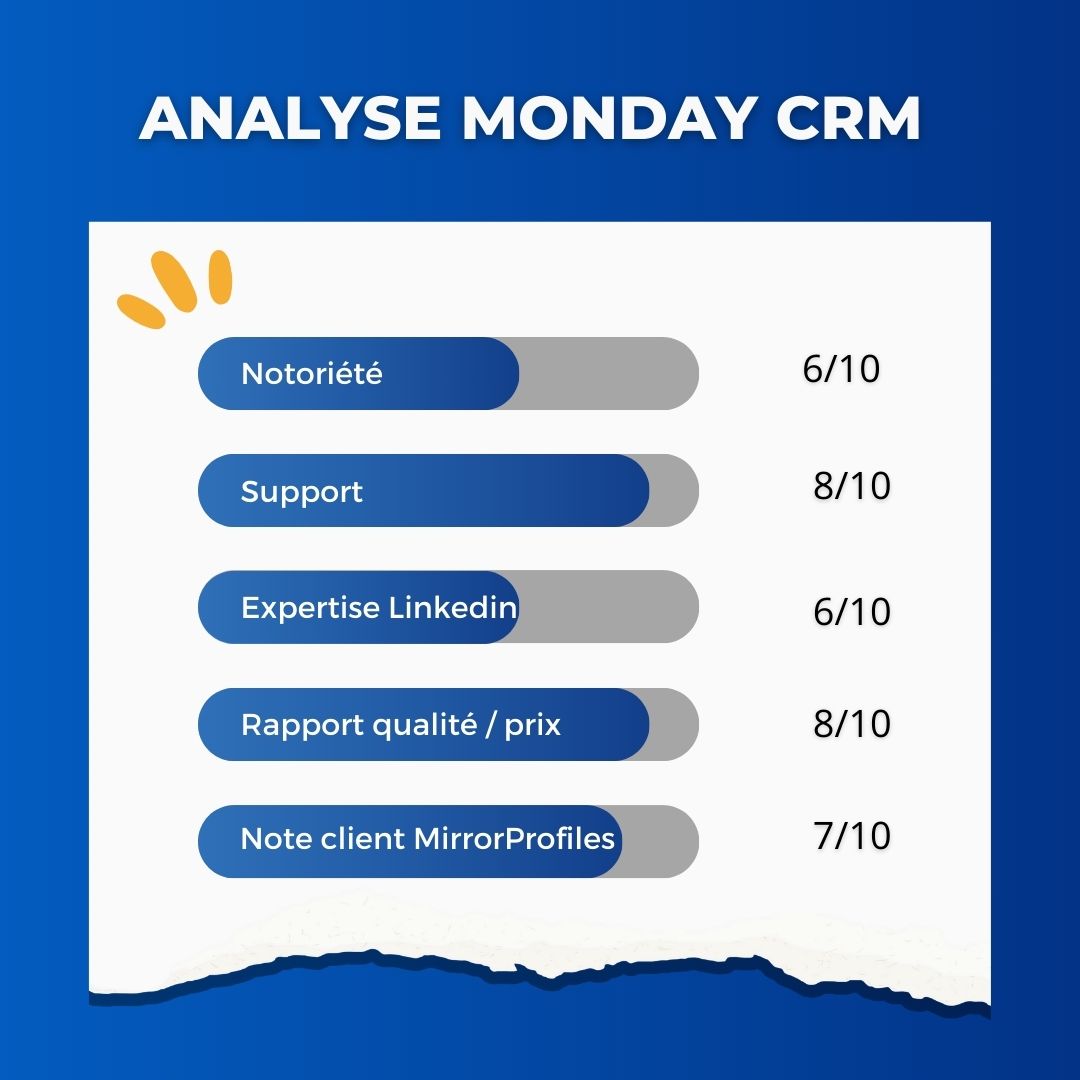
Monday is a collaborative work management platform that also offers a complete CRM solution. Founded in 2012 by Roy Mann and Eran Zinman, Monday aims to transform the way teams work together by providing flexible, visually intuitive tools. This is a very visual, graphic CRM. Their choice is more oriented towards simplicity and user experience than technical features. From my point of view, it’s a good choice for getting a marketing and sales team on board with a CRM if you’re experiencing adoption difficulties within your company.
Monday CRM’s main features for CRM and outbound prospecting:
- Visual, customizable interface: Monday CRM stands out for its attractive, highly customizable visual interface. Users can create dashboards tailored to their specific needs, which makes it easier to manage contacts and sales opportunities.
- Lead and pipeline management: The platform lets you track and manage leads throughout the sales pipeline. You can easily see where each lead is in the process and adjust your strategies accordingly to maximize conversion rates.
- Process automation: With Monday CRM, you can automate repetitive tasks such as sending follow-up emails, updating lead status and assigning tasks, saving time and improving efficiency.
- Mobile accessibility: With Monday CRM’s mobile application, teams can access all essential functions on the move. This keeps you connected and productive, wherever you are.
Monday CRM is designed for maximum flexibility and ease of use, making it an excellent choice for sales teams looking to optimize their outbound prospecting and improve their customer relationship management.
Salesforce
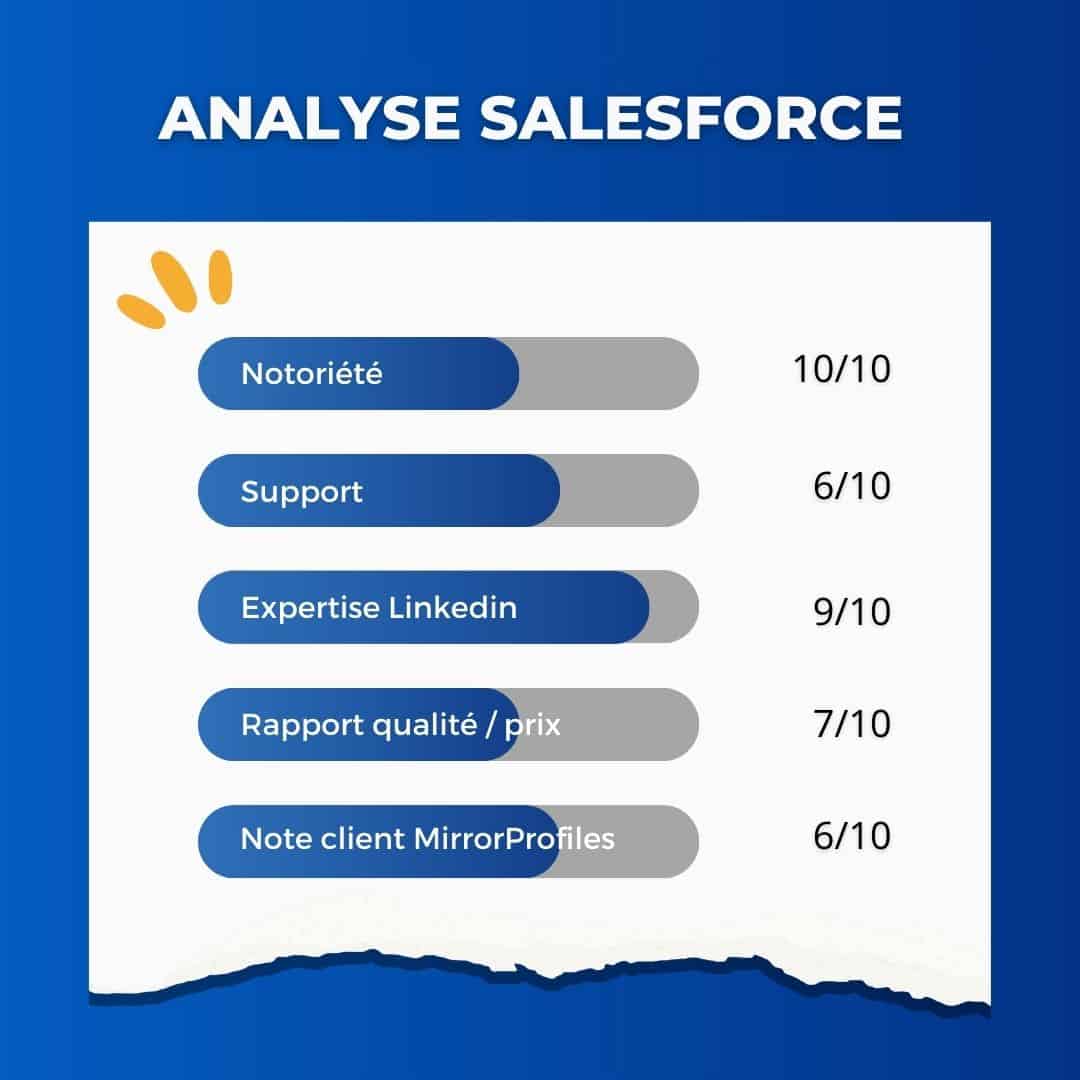
Salesforce is one of the global leaders in customer relationship management (CRM) solutions, founded in 1999 by Marc Benioff, Parker Harris, Dave Moellenhoff and Frank Dominguez. The platform is known for its robustness, its functionality and its ability to adapt to the needs of businesses of all sizes. For my part, and for MirrorProfiles clients, it is currently reserved for experts or companies with an in-house CRM manager. Salesforce is a complex machine that can be extremely powerful if you know how to master it. Its cost is very high, so honestly, from my point of view and for the majority of MirrorProfiles clients, it’s not the right fit.
Key Salesforce features for CRM and outbound prospecting:
- Complete contact management: Salesforce lets you centralize all information on prospects and customers. You can track interactions, purchase histories, preferences and much more, offering a complete and up-to-date view of every contact.
- Sales automation: The platform offers tools to help streamline sales processes. You can automate repetitive tasks such as sending emails, creating follow-up reminders and updating contact information, saving time and improving efficiency.
- Opportunity tracking: Salesforce offers a detailed view of the sales pipeline, with tools for tracking opportunities at every stage of the sales process. This helps teams stay organized and prioritize their prospecting efforts.
- Integrated communication tools: Salesforce integrates communication tools such as email and telephone, so all interactions can be managed directly from the platform. Sales reps can track and record calls, send personalized emails and schedule meetings, while keeping track of every interaction.
Salesforce stands out for its ability to provide comprehensive, integrated solutions for customer relationship management, making it a top choice for companies looking to optimize outbound prospecting and improve sales efficiency.
Sellsy
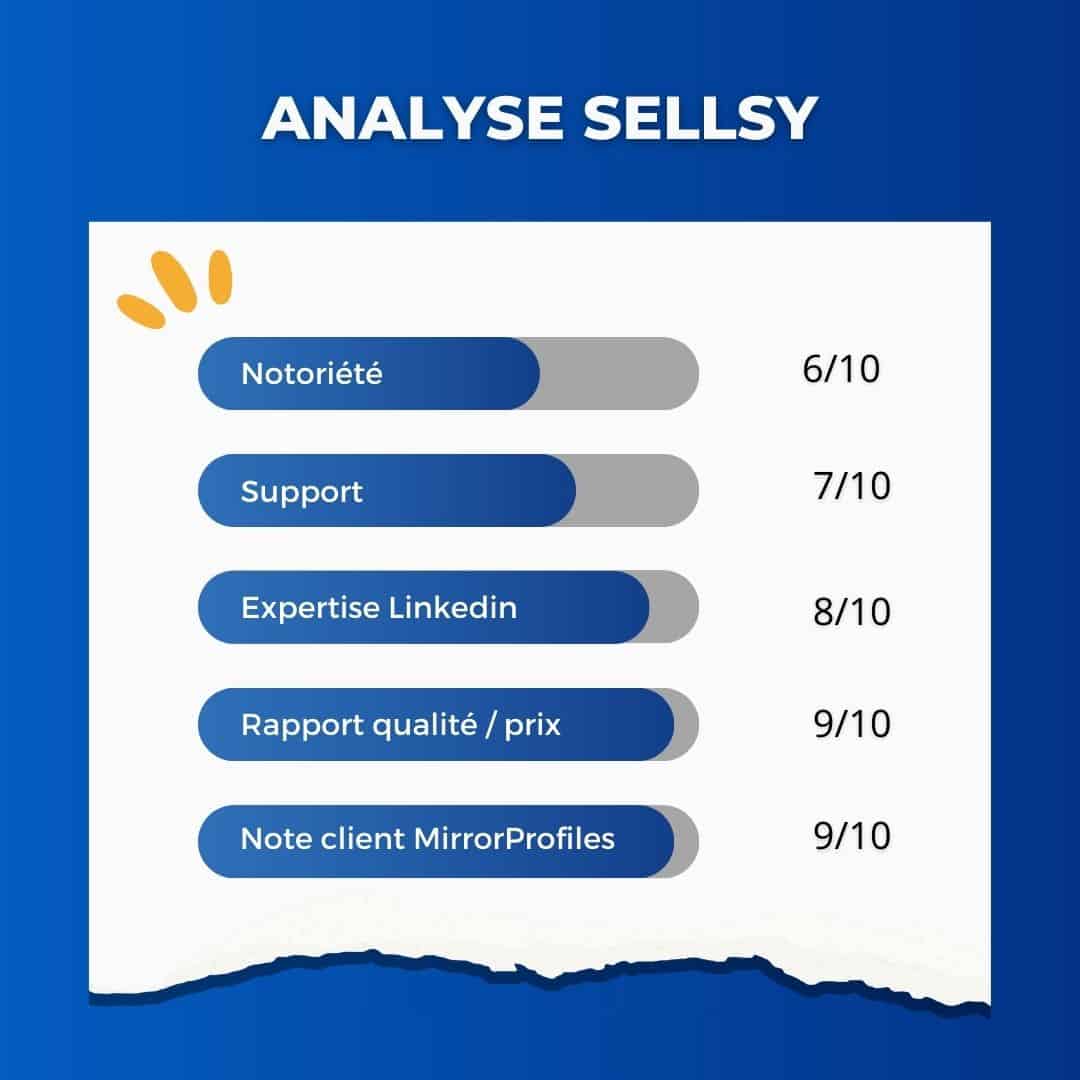
Sellsy is a French customer relationship management (CRM) solution offering a complete suite of tools for sales, marketing and project management. Founded in 2009 by Frédéric Coulais and Alain Mevellec, Sellsy aims to simplify sales management and improve the efficiency of sales teams. It’s a simple and complete CRM, and from my point of view it does the job perfectly in 90% of situations. It’s a very good CRM when you compare its usability, ease of integration and price.
Sellsy’s main features for CRM and outbound prospecting:
- Contact and prospect management: Sellsy centralizes all contact and prospect information. You can track interactions, appointments, emails and calls, giving you both a global and a detailed view of each customer.
- Sales automation: The platform offers features to streamline sales processes. You can set up workflows to automate the sending of follow-up emails, the creation of tasks and the updating of prospect information, saving time and increasing productivity.
- Sales opportunity tracking: Sellsy offers advanced sales opportunity management with a visual pipeline. Teams can track opportunities at every stage of the sales process, from initial prospecting to closing, keeping them organized and helping them prioritize their prospecting efforts.
- Integrated communication tools: With Sellsy, you can manage all your communications directly from the platform. Emails, calls and messages are centralized, making it easy to track all interactions with prospects and customers.
Sellsy stands out for its ease of use and comprehensive functionality, making it an ideal choice for companies looking to optimize their outbound prospecting and improve their customer relationship management.
Now that we’ve looked at the CRMs most used by our clients for sales prospecting, one common thread stands out: most of them didn’t have a pre-CRM, a CRM to process prospecting files and prospects. The five CRMs above are mostly designed to handle leads and customers, so they focus on lead nurturing and upselling. A pre-CRM focuses on lead generation.
A pre-CRM to boost your CRM
Traditional CRMs excel at lead management, but they are not designed to deal with prospects who have not yet expressed any concrete interest. This is where a pre-CRM comes in, optimizing the prospecting phase before leads are transferred to your main CRM.
A pre-CRM stands out for its ability to manage sales prospecting in an optimal way. Rather than mixing prospects and leads in a single system, it centralizes prospecting activities. This enables sales teams to target prospects precisely and efficiently, using tools adapted to this crucial phase. Here is what to look for:
- Seamless synchronization: a pre-CRM integrates with your existing prospecting tools, creating a unified ecosystem where all relevant data is centralized. This synchronization provides a clear, real-time overview of your prospecting pipeline, facilitating decision-making and strategic planning. It should aggregate all the data from your various LinkedIn, emailing or call automation tools.
- Task automation: by providing an automated task list, a pre-CRM transforms the day-to-day management of your sales force. Reminders and follow-ups can be carried out via a single interface, eliminating repetitive tasks and reducing the risk of error. This time saving translates directly into an increase in sales velocity, enabling teams to concentrate on high value-added actions.
- Automated reporting: a pre-CRM ensures that all actions are recorded and analyzed. This enables continuous evaluation of the effectiveness of prospecting campaigns, and helps to adjust strategies according to observed performance.
The point of a pre-CRM is to focus exclusively on prospecting and prospect relationship management. As soon as a prospect expresses an interest in your solution or product, they become a lead and are added directly to your CRM. This clear distinction between prospecting and lead management activities avoids the confusion and errors that can arise when these functions are mixed together in a single system.
By using a pre-CRM for the prospecting phase and a traditional CRM to manage leads and marketing campaigns, companies can optimize their sales efforts. This separation maximizes results by using the most appropriate tools at each stage of the sales process.
Outbound prospecting is an essential strategy for many companies seeking to attract new customers and stimulate growth. To optimize this approach and maximize results, it’s crucial to equip yourself with the best tools available. Adopting a CRM strategy plays a central role in this process by enabling efficient organization, rigorous follow-up and in-depth analysis of interactions with prospects. A pre-CRM completes the picture with a space dedicated to prospecting management, transferring the hottest leads into your main CRM for optimal management and maximized sales results.