


Introduction
Attracting new prospects and turning them into leads is all well and good, but converting them into customers is even better. This is where the concept of lead nurturing comes in, a crucial strategy for building ongoing, meaningful relationships with potential customers at every stage of their buying journey.
This method is based on the personalization of communication through the regular sending of content tailored to the specific needs and interests of each lead.
In this article, we’ll explore in more detail why lead nurturing is essential for any type of business, how to implement it effectively and finally, how a pre-CRM, positioned upstream of your main CRM, can structure lead management to fuel your lead nurturing strategy with new leads.
What is lead nurturing?
Lead nurturing is a marketing strategy focused on building ongoing relationships with potential customers at every stage of the buying journey. This method aims to strengthen ties with users who have already shown an interest in your products or services, but also with those who are not yet ready to make a purchase. The aim is to gradually lead them towards a favorable purchasing decision, while cultivating a lasting relationship based on trust.
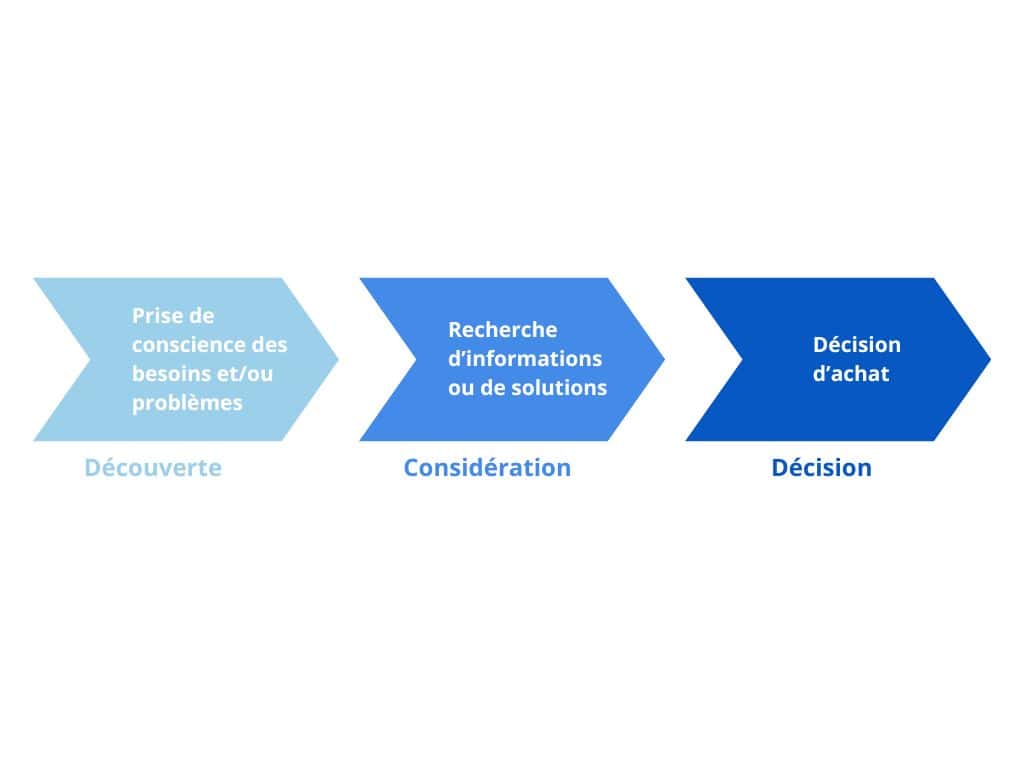
Lead nurturing is based on the regular delivery of personalized content that matches the specific needs and interests of each lead. This personalization is made possible by detailed analysis of the data collected on prospects’ interactions with your campaigns and website. For example, sending targeted emails that address sector-specific issues can help maintain interest and educate the lead about the value of your offer.
What distinguishes a lead from a customer is, in most cases, the price of your service/product. Lead nurturing does 2 things:
- Show them that the price is justified and, above all, that the ROI will be positive for them.
- Educate your leads if you’re working on an innovative product/service. To avoid overloading your after-sales service, don’t hesitate to use these emails or LinkedIn messages to demonstrate in concrete terms how to use your service or product.
At the heart of the lead nurturing process is the creation and distribution of high-quality content such as informative blog posts, regular newsletters, white papers, case studies and webinars. This content not only helps inform prospects, but also demonstrates your company’s expertise in its field. It plays a crucial role in providing leads with the information they need to move forward in their buying journey.
It helps build a relationship of trust between the lead and your brand. By regularly receiving relevant and useful information, leads start to see your company as a reference in its sector. This increased perception of value and credibility is essential in influencing the final purchasing decision.
An effective lead nurturing strategy ensures that sales teams receive leads that are educated and ready to engage in a sales discussion. This reduces the sales cycle and increases conversion rates, as sales reps interact with leads who already understand the value of the offer and have a confirmed interest in the proposed solutions.
This approach is a fundamental component of any automated marketing strategy, making it possible not only to keep leads interested through constructive, educational dialogue, but also to maximize conversion opportunities by closely aligning marketing efforts with the needs of sales teams. It’s a proactive approach that facilitates the smooth transition of prospects from interested to committed customers.
Why lead nurturing?
Lead nurturing is an essential marketing strategy for maintaining and strengthening relationships with potential customers throughout their buying journey, however long it lasts. Automated reminders also reduce the number of manual reminders, saving your sales force precious hours.
This marketing approach is crucial to converting leads into customers, especially in contexts where the purchasing cycle is long and complex. Here are the main advantages and justifications for implementing an effective lead nurturing marketing strategy:
1. Maintain lead engagement: Today, attention is ephemeral, and capturing prospects’ interest is essential. Lead nurturing keeps leads engaged with attractive, educational content tailored to their stage in the buying cycle. This helps keep your brand fresh in their minds, reducing the risk of them turning to your competitors.
2. Lead loyalty: Lead nurturing helps build and maintain a solid relationship with leads throughout their consideration. By providing regular, relevant and valuable content, you demonstrate not only your expertise, but also your ability to understand and respond to their specific needs.
3. Enhanced credibility and reputation: By sharing useful information and demonstrating your competence in your field, you establish a credible and professional brand image. Prospects perceive your company as a reliable resource, which reinforces their trust and inclines their purchasing decision in your favor.
4. Accelerating the decision-making process: By delivering content that addresses the questions and concerns of leads at every stage of their journey, lead nurturing facilitates their progress towards a purchasing decision. Educational and informative content helps prospects to better understand your products or services, accelerating their conversion.
5. Increased sales effectiveness: Nurturing actions prepare leads before they are passed on to sales teams, making sales discussions more effective and targeted. Nurtured leads already have a good understanding of what you offer and are often closer to making a purchasing decision.
6. Reduced acquisition costs: According to studies, companies that practice lead nurturing generate more sales at a cost reduced by around 1/3. This results in greater efficiency in converting leads into customers, avoiding excessive expenditure on prospecting and less targeted marketing efforts.
7. Optimized return on investment (ROI): Nurturing contributes to a shorter sales cycle, higher closing rates and less post-purchase support time.
In short, lead nurturing is a vital strategy for any company wishing not only to increase sales, but also to build lasting relationships with its customers. It transforms marketing into a proactive, personalized sales force, optimizing the chances of success in a competitive business environment.
How to implement lead nurturing?
Lead nurturing is a key marketing process that involves maintaining and strengthening relationships with leads until they are ready to make a purchase. To achieve this effectively, here are the essential steps:
- Segment lead lists to personalize content. This segmentation can be based on various criteria, such as the lead’s stage in the conversion funnel, specific interests or buyer profile. A personalized message increases engagement and improves conversion rates by providing relevant information that resonates with the prospect’s needs and expectations at every stage of their journey.
- Adopting a multi-channel approach is essential. In addition to email, you can also integrate LinkedIn, dynamic web content, retargeting campaigns, and direct interactions such as calling. This makes it possible to reach leads on different fronts, increasing the chances of capturing their attention and effectively guiding them towards the sale. Each lead will have its own preferred acquisition channel. It’s also crucial to multiply the points of contact throughout the purchasing process. On average, a prospect may require up to ten interactions with a brand before becoming a customer, each interaction being an opportunity to strengthen the relationship and guide the prospect through the various stages of the buying process.
- Reactivity is another key factor in lead nurturing. Responding quickly to a prospect’s actions, such as downloading content or registering for a webinar, can significantly increase the chances of conversion. Indeed, rapid contact shows that the company is attentive and ready to meet the needs of its prospects. If your chosen acquisition channel is LinkedIn, make sure the replies received on all your accounts are tracked in one place, in your CRM or in a multi-account automation tool, so that no lead is left waiting for an answer.
- Personalization: tailoring your messages is also a proven practice, as personalized emails tend to achieve better open and click-through rates than generic mailings. Personalization must go beyond simply adding the lead’s name to the email; it must reflect an understanding of their needs and preferences through the content offered. This is where a pre-CRM comes into its own.
- Thoroughly qualifying leads is essential to focus efforts on those most likely to convert. This qualification can be based on prospects’ engagement with the content sent, enabling you to distinguish between those who are merely curious and those who are genuinely interested in the offer.
- Finally, the alignment of sales and marketing teams is crucial to the success of lead nurturing. These teams need to work together to define the criteria for qualified leads and ensure that communications remain consistent and effective at every stage of the prospect’s journey. Good alignment ensures that prospects receive the right information at the right time, maximizing the chances of conversion into paying customers.
Enhanced lead nurturing with a pre-CRM
Traditional CRMs are often cluttered with prospects of varying quality. It’s difficult to distinguish between mature and immature prospects, and this is where a pre-CRM becomes useful. As we’ve seen, one of the key factors in lead nurturing is the ability to segment leads, and when prospects and leads are stored in the same place, it becomes complicated, if not impossible, to carry out precise and effective sales actions.
This is exactly what a pre-CRM is for: a tool designed to remedy the clutter of conventional CRMs by effectively segmenting leads right from the early stages of prospecting.
A pre-CRM is a system that prepares the ground for the CRM by specifically managing the initial phases of the relationship with prospects. It is particularly well suited to organizing and qualifying leads before they are entered into the traditional CRM. It works by ensuring a clear separation between unqualified prospects and those who are ready for deeper engagement. Thanks to this, your CRM can be devoted solely to the lead nurturing loop.
A pre-CRM responds to a specific need: to simplify and optimize lead management at the early stages of lead acquisition. In traditional CRM systems, the cohabitation of qualified and unqualified leads can create confusion and reduce the effectiveness of sales efforts. A pre-CRM eliminates this problem by filtering and qualifying leads right from the start of their journey.
Here is what you should expect from a good pre-CRM:
- Multi-channel management of prospecting campaigns: Whether via email, LinkedIn or other platforms, it processes and organizes leads from various channels in a single, intuitive interface. In short, it aggregates all the data from the tools you use to generate leads.
- Automation and lead scoring: The system automatically assesses the maturity of leads based on their interaction with the content sent. This feature enables sales reps to see at a glance which prospects still need time to mature, and which are ready for more direct sales approaches.
- Optimizing sales reps’ time: By providing an automatic to-do list of the actions to be taken for each type of prospect, it enables sales reps to focus on the most effective conversion strategies, accelerating the sales cycle.
- Sales velocity: from a single place, your sales reps can send emails or LinkedIn messages and make calls, instead of switching between tools that each take up their time.
In practice, the pre-CRM acts as an effective pre-filter. Prospects engaged in prospecting campaigns are first managed there. As the sales process continues, and prospects interact with the content offered and show signs of maturity, assessed thanks to integrated lead scoring, their status evolves. Once a prospect has reached a certain level of qualification, it is transferred to the main CRM where it is considered a qualified lead, ready for further interaction and potentially for conversion into a customer.
So a pre-CRM doesn’t just filter leads; it plays an active role in nurturing them, ensuring that only the most promising contacts are presented to sales teams. This maximizes the efficiency of the sales process and ensures that sales efforts are concentrated where they are most likely to produce tangible results.
Lead nurturing is an indispensable strategy for any company seeking to optimize sales and build lasting relationships with potential customers. By providing targeted, ongoing nurturing to prospects throughout their buying journey, lead nurturing gradually converts interest into concrete commitments. This method, based on personalized communication and the dissemination of high-quality content, plays a key role in enhancing a company’s reputation and credibility, while accelerating prospects’ decision-making process.
The introduction of a pre-CRM upstream of the main CRM is in line with this logic of optimizing lead nurturing. By segmenting and qualifying prospects from the very first interactions, it effectively solves the problems of managing immature leads often encountered in traditional CRM systems. This approach enables more precise and targeted management of prospecting campaigns, providing a clearer overview and greater efficiency in sales actions.
With automation and lead scoring, sales teams can focus solely on qualified leads. This helps to reduce customer acquisition costs and improve conversion rates, guaranteeing a better return on investment for marketing and sales efforts. A pre-CRM doesn’t just simplify lead management; it enriches and strengthens the whole lead nurturing process, for any company aiming for sustainable growth in an increasingly competitive business environment.